The art
Chinese acrobatic acts
Plate spinning, hoop diving, contortion, the Chinese pole, unicycles with bowls, the diabolo and the lion dance: what each skill is and where it comes from.
Book the acrobatics hour ↗Quick answer
Chinese troupes draw on a shared repertoire of skills, many centuries old: plate spinning, hoop diving, contortion, the Chinese pole, unicycling with bowls, the diabolo and the acrobatic lion dance. Any one evening uses a selection, and the order changes, so this is a guide to the art rather than a programme.
A shared repertoire
Wikipedia describes Chinese variety art as a wide range of acrobatic acts, balancing acts and other demonstrations of physical skill, traditionally performed by a troupe. Its list of standard acts includes tightrope walking, contortion, multi-plate spinning, unicycling with bowl balancing, balancing while playing the Chinese yo-yo and lion dance on rolling globes. A troupe builds its show from these, adding its own staging and music. Below are the skills you are most likely to recognise.
Plate spinning
Plates turn on the tips of rods, often several in each hand, while the performer bends, kneels or balances. Wikipedia notes that plate spinning relies on the gyroscopic effect, like a spinning top, that it has existed since at least the 3rd century and probably began in China, and that many Chinese troupes combine it with contortion or other acrobatic skills.
Hoop diving
Performers run at a stack of hoops and dive through, sometimes through a hoop set high above others. Touring troupes often include it: China Daily lists it, with aerial silk, among the acts that won a Shandong troupe thunderous applause in South Korea, and notes that the acrobatics of that troupe's home county is national intangible cultural heritage.
Contortion
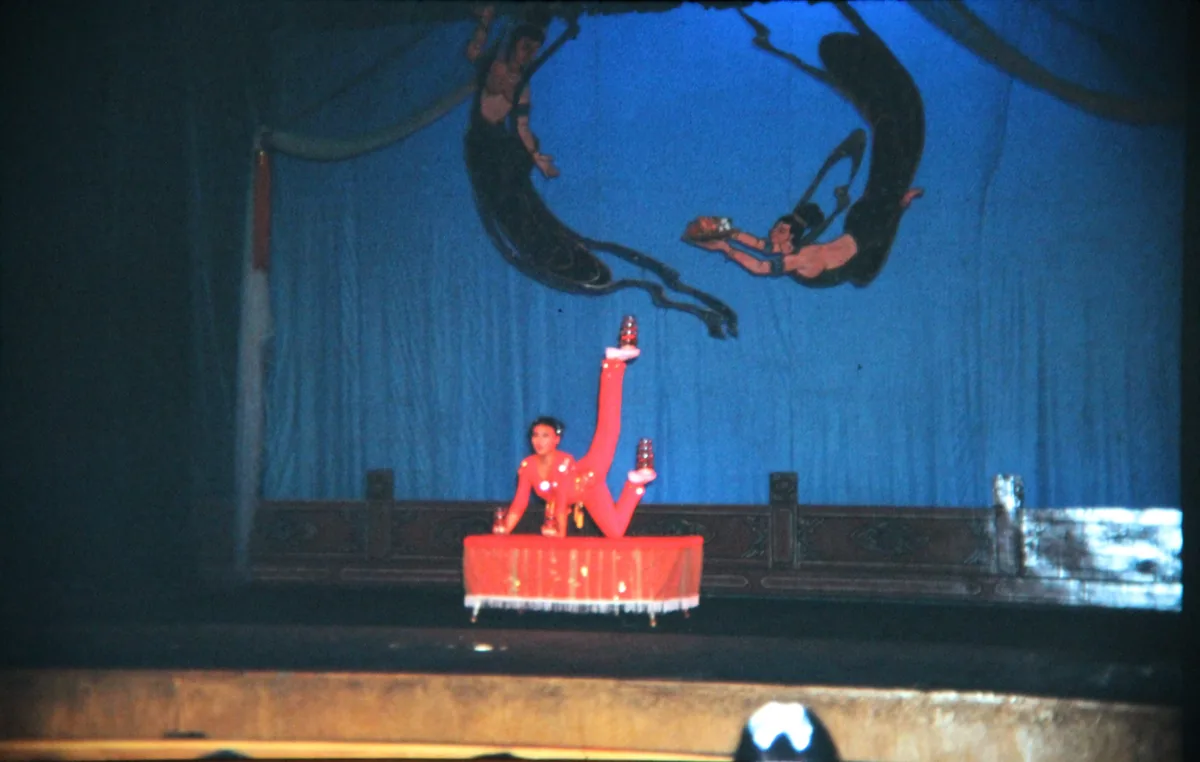
Contortionists fold, arch and balance in shapes that look impossible. Wikipedia says that, in the Chinese tradition, contortion is typically performed as a feat of acrobatics meant to dazzle the audience, and that Chinese historical records place early contortionism in the Western Zhou dynasty, with the art maturing under the Sui. Watch how stillness becomes part of the act: the hardest shapes are often the ones held longest.
The Chinese pole
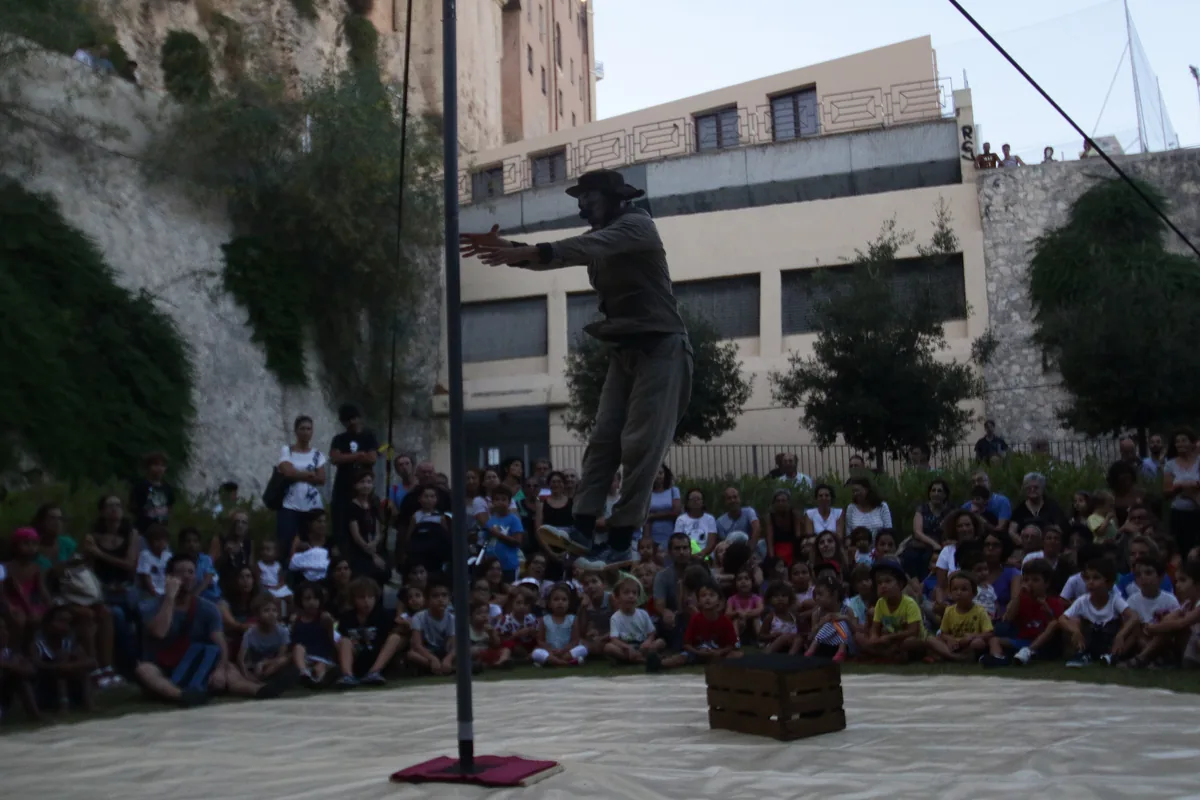
Performers climb, slide down and hold poses on tall vertical poles, which Wikipedia puts at between 3 and 9 metres. Some poles have an outer sleeve that rotates on bearings so the artist can spin. The most famous trick is the flag, in which the performer holds the body straight out from the pole by the hands, a move that needs a very strong upper body.
Unicycles and bowls
One of the most recognisable Chinese acts pairs a tall unicycle with a stack of bowls. Riders keep their balance on the single wheel while sending bowls up to land in a stack on their heads. Wikipedia lists unicycling and bowl balancing among the standard acts of Chinese variety art. It is a test of rhythm as much as balance, and ensembles often perform it in formation.
The diabolo
The Chinese yo-yo spins on a string held between two sticks and can be tossed, caught and passed. Wikipedia says the earliest mention of it dates to the late Ming dynasty, in the Wanli period, and that it was first described in the West by a missionary in Beijing in 1792. One of its Chinese names, kongzhu, means sky bamboo. Balancing while playing the Chinese yo-yo is one of the standard acts of the art.
Lion dance
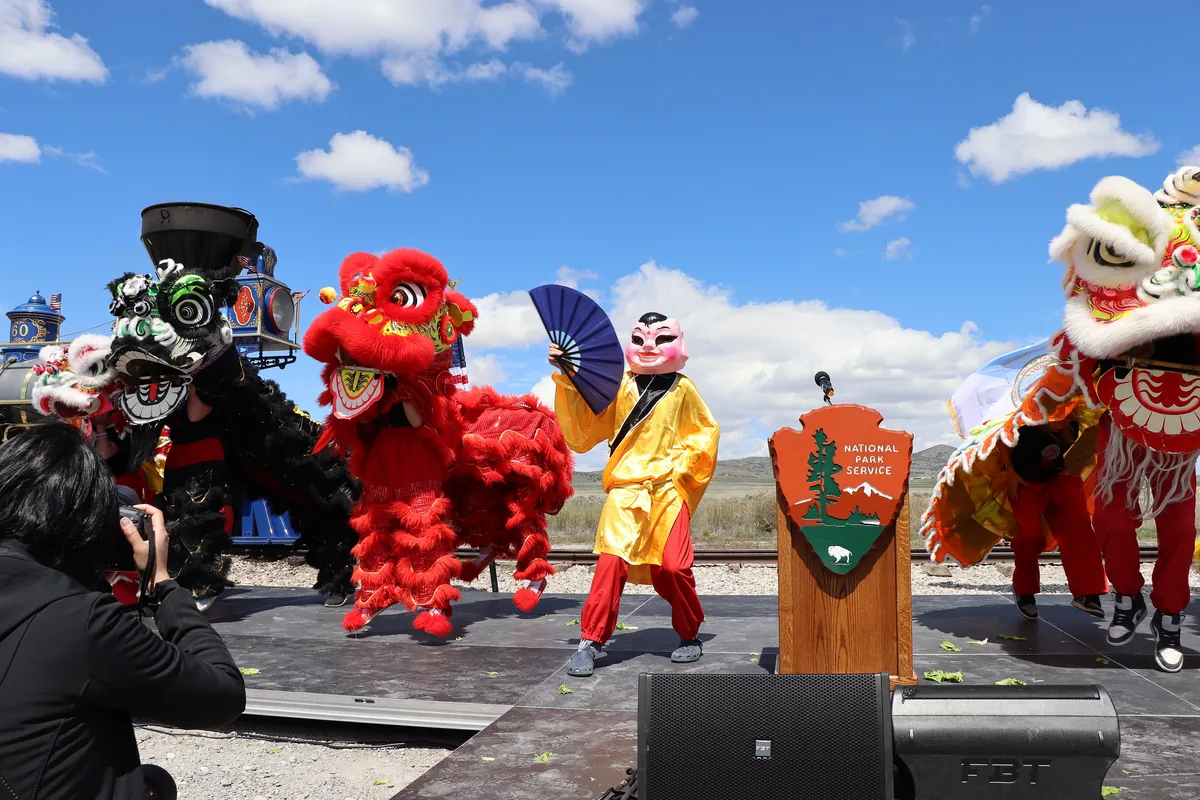
Two performers share one lion, one working the head and the other the tail. Wikipedia distinguishes the Northern and Southern lion and notes that the martial style of the dance is focused on acrobatics, with stunts such as lifts and balances on a tiered platform or a giant ball. Some fundamental movements come from Chinese martial arts, and the dance is usually performed to drums, gongs and cymbals.
Watching well
Sit back and follow the build. Acts usually start simple and add difficulty: one more plate, one more hoop, one more performer on top. The tension is deliberate, and the best moment is often the last addition. Applause between tricks is normal. And remember that the troupe chooses what it performs, so enjoy what appears rather than waiting for a particular act.
Frequently asked questions
Will the show include all of these acts?
Not necessarily. Troupes choose a selection and change it over time; treat this as a guide to the art.
Are there animals?
Chinese variety art is distinct from the Western circus with clowns and large animals, says Wikipedia.
Is the lion dance acrobatic?
In its martial style, yes: lifts and balances on tiered platforms or a giant ball.
Sources